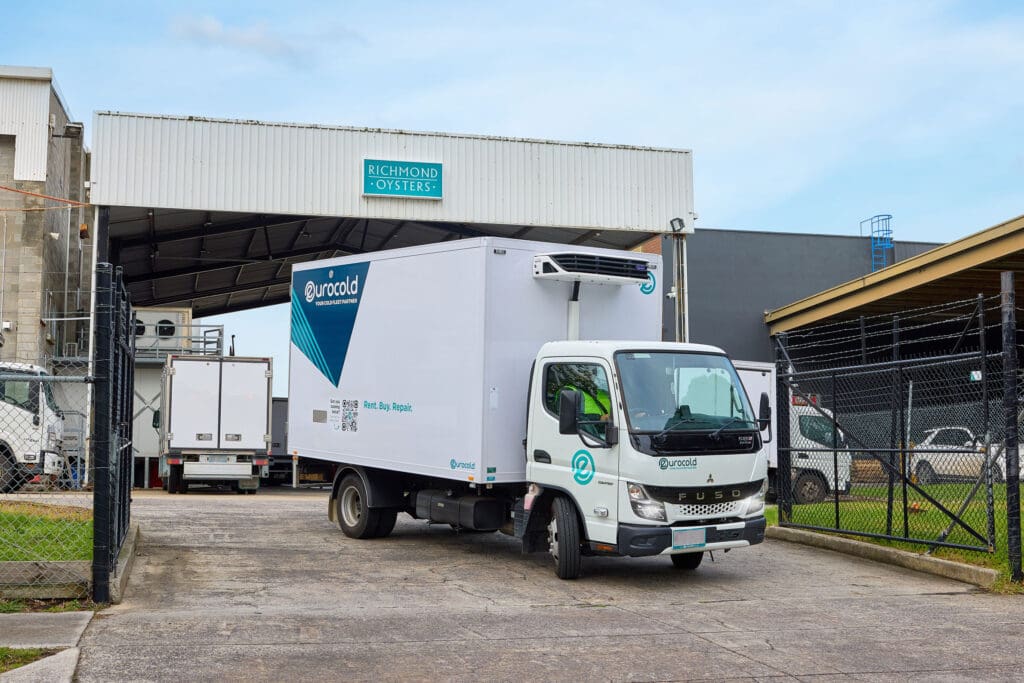
Customer Case Study > Richmond Oysters
Richmond Oysters: A fleet built to grow with the business
At a glance
Location
Victoria and Queensland, with further interstate expansion under consideration
Eurocold Fleet
& Products
- 16 Eurocold refrigerated vehicles
- Managed long-term rental fleet
- Custom-built refrigerated bodies
- Multiple vehicle sizes and configurations
- National fleet support
Impact
Fleet that adapts with demand: Vehicles can be changed as routes, volumes and new markets evolve.
Customised for the operation: Vehicle bodies and equipment are configured around how Richmond Oysters’ drivers load, access and deliver product.
Supporting interstate growth: Eurocold’s national footprint provides one fleet relationship as Richmond Oysters expands beyond Victoria.
Built on quality since 1959
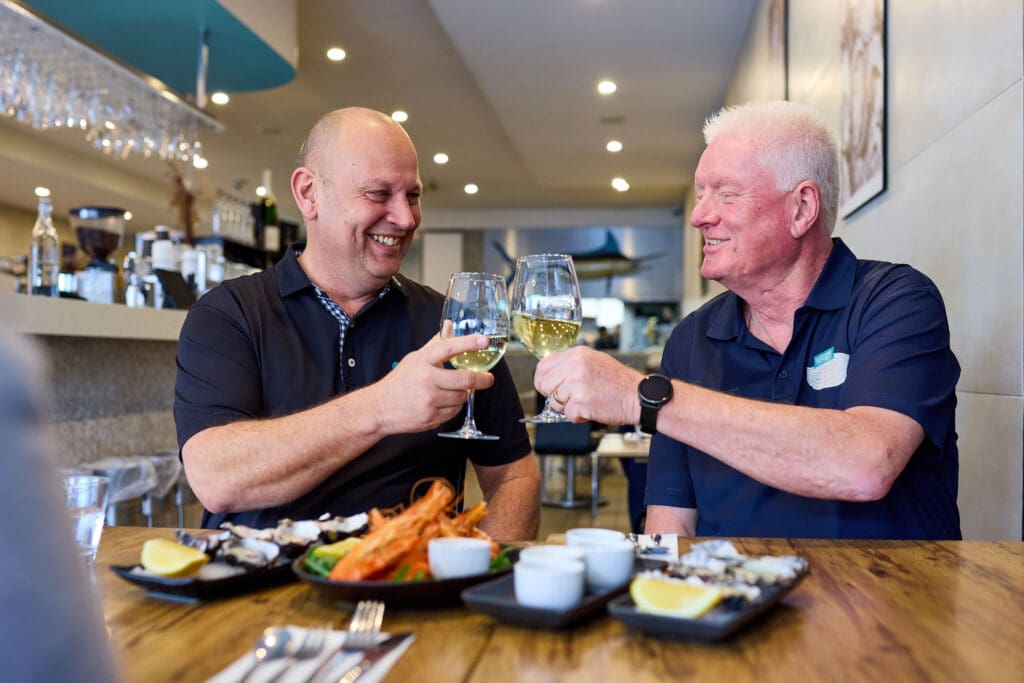
Richmond Oysters started with a simple proposition: quality seafood and personal service.
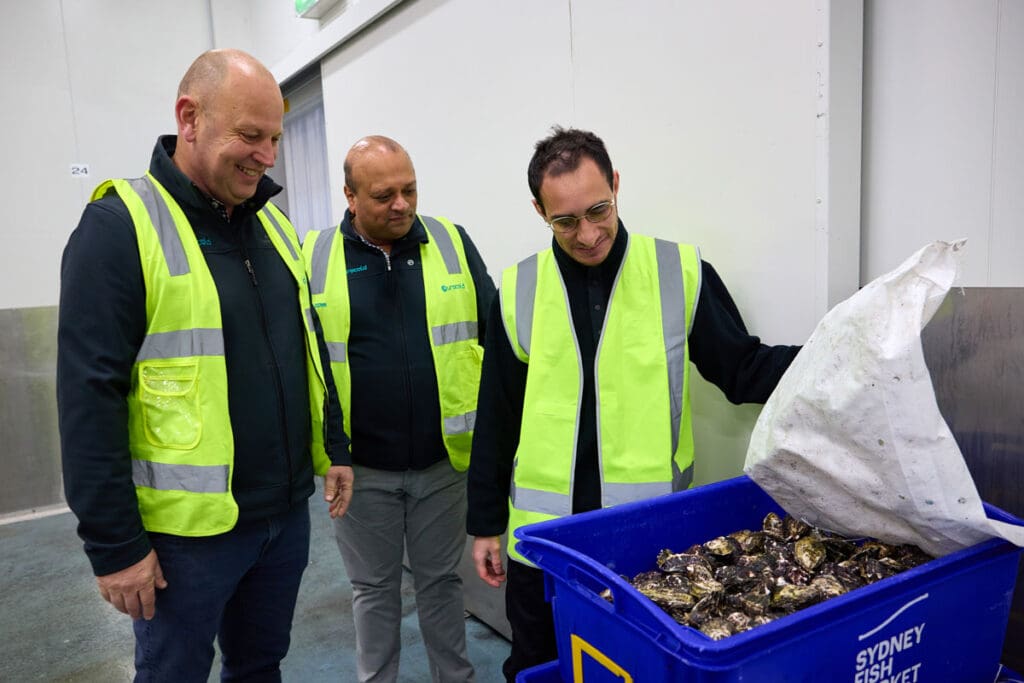
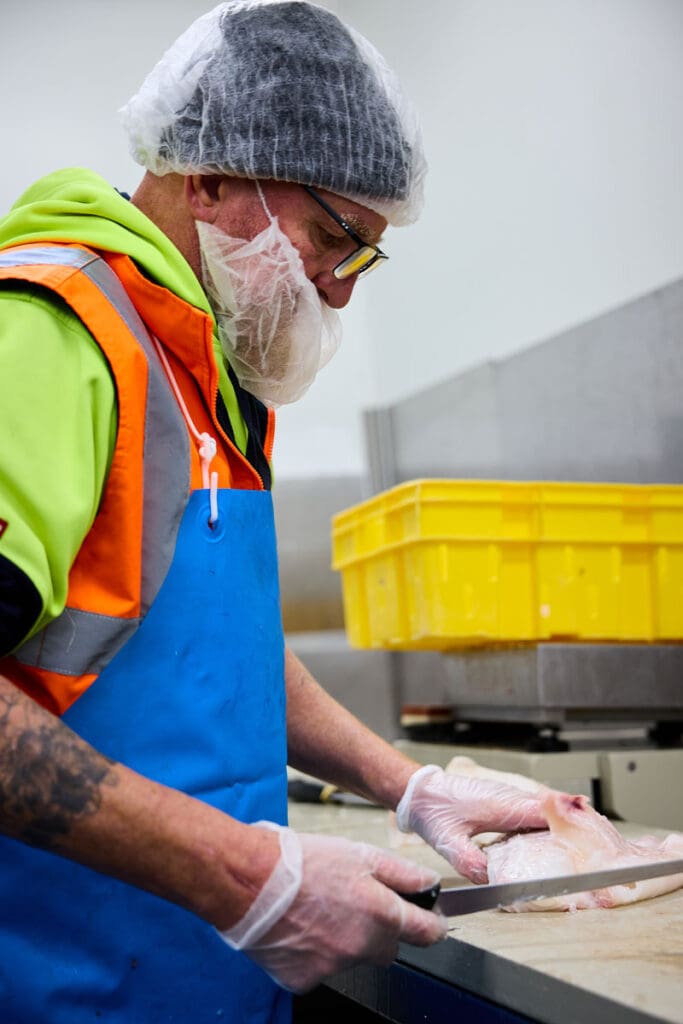
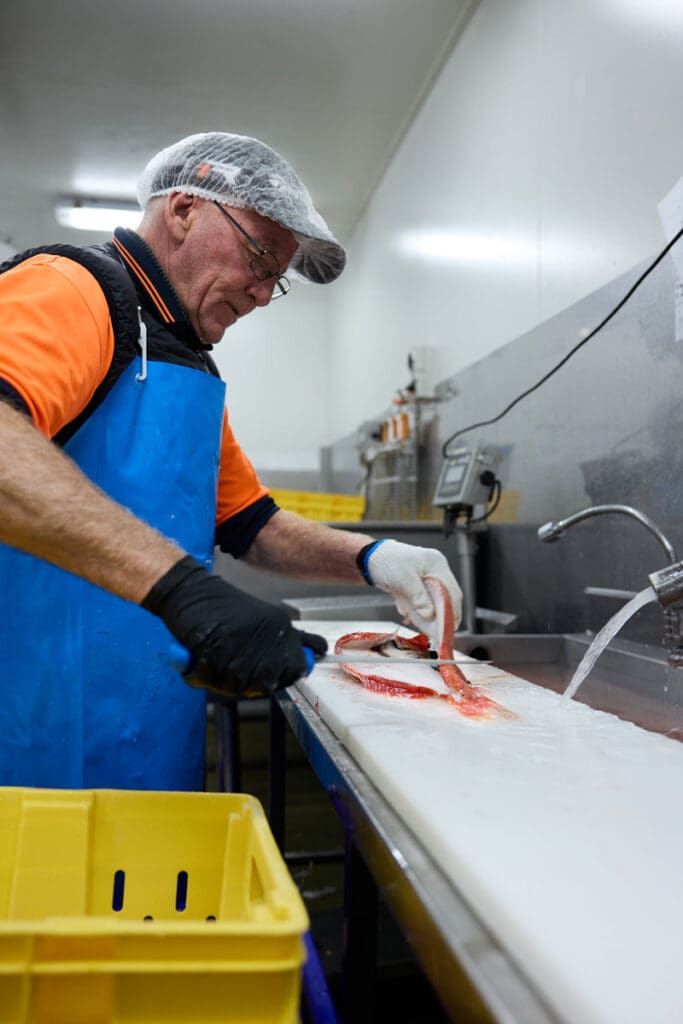
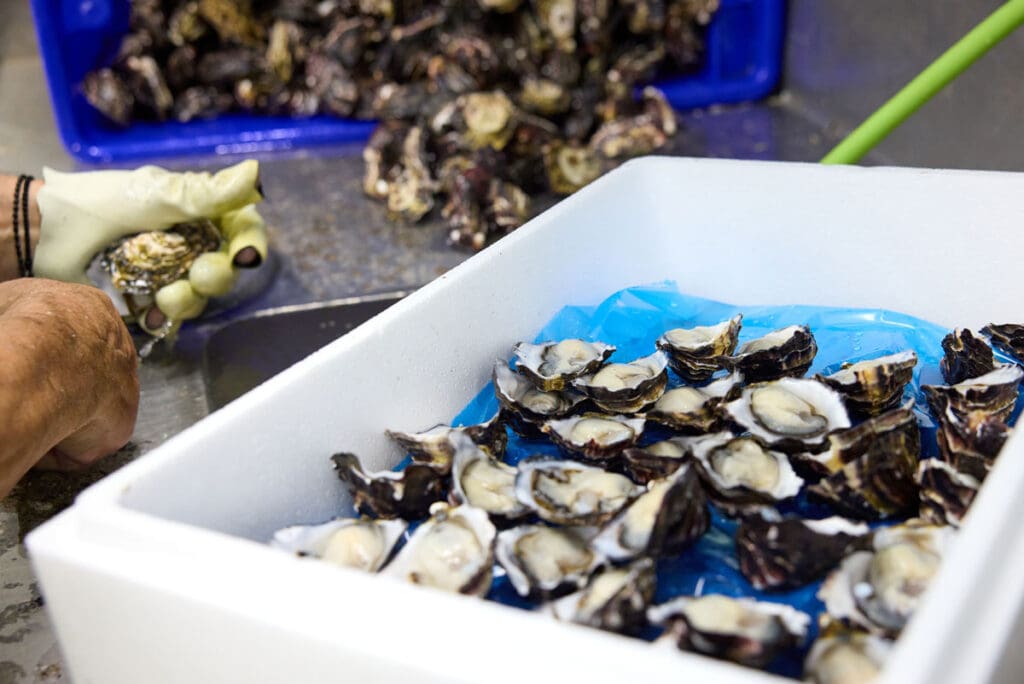
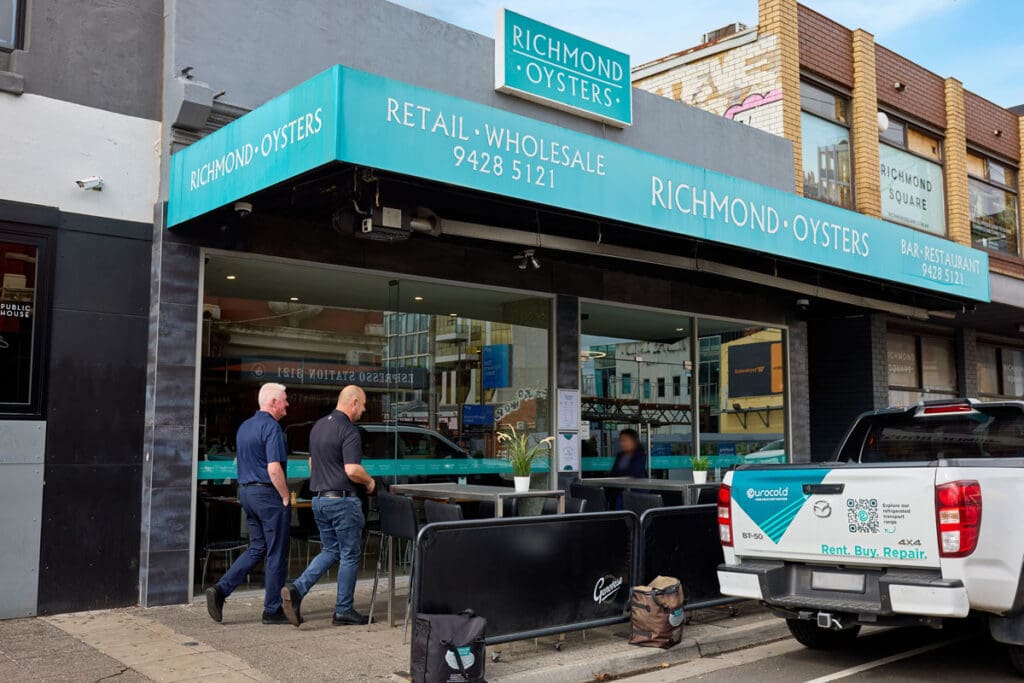
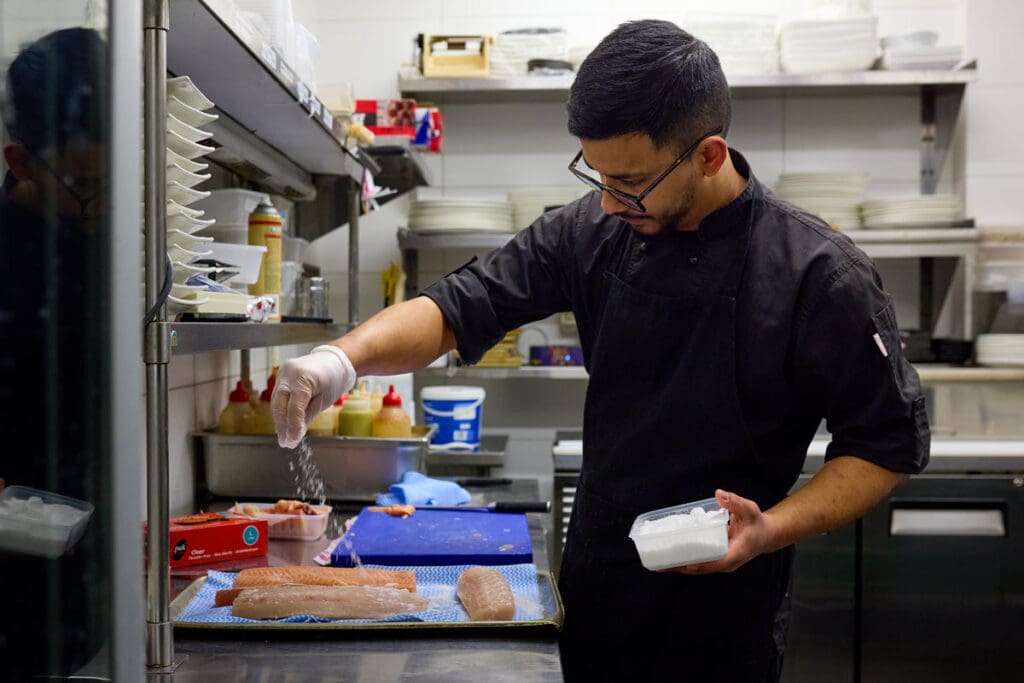
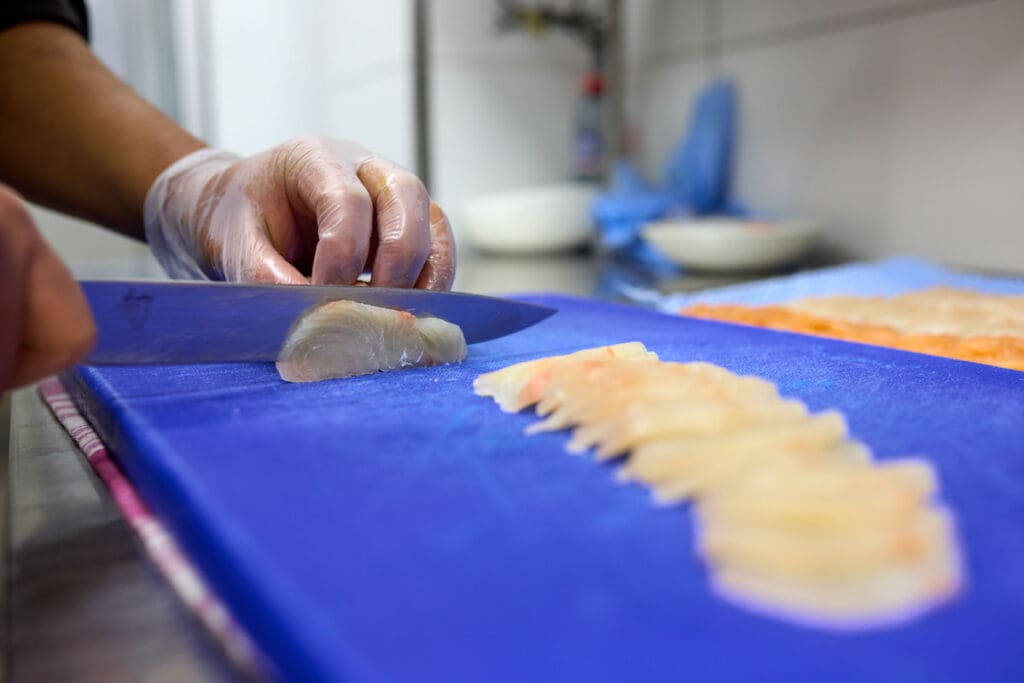
Established in Richmond in 1959, the business began as a fresh fish shop before expanding into takeaway fish and chips and, eventually, wholesale seafood.
A couple of delivery vans became 10 or 11 vehicles. The wholesale operation outgrew the laneway behind the original store. And what started with seafood gradually became something much larger.
“So it really grew from seafood, opening fresh oysters and processing fresh fish,” says Jim Hall of Richmond Oysters.
“One of the chefs one day said, ‘You couldn’t get me a bag of flour and a pack of spaghetti, could you?’ And that sort of grew from there.”
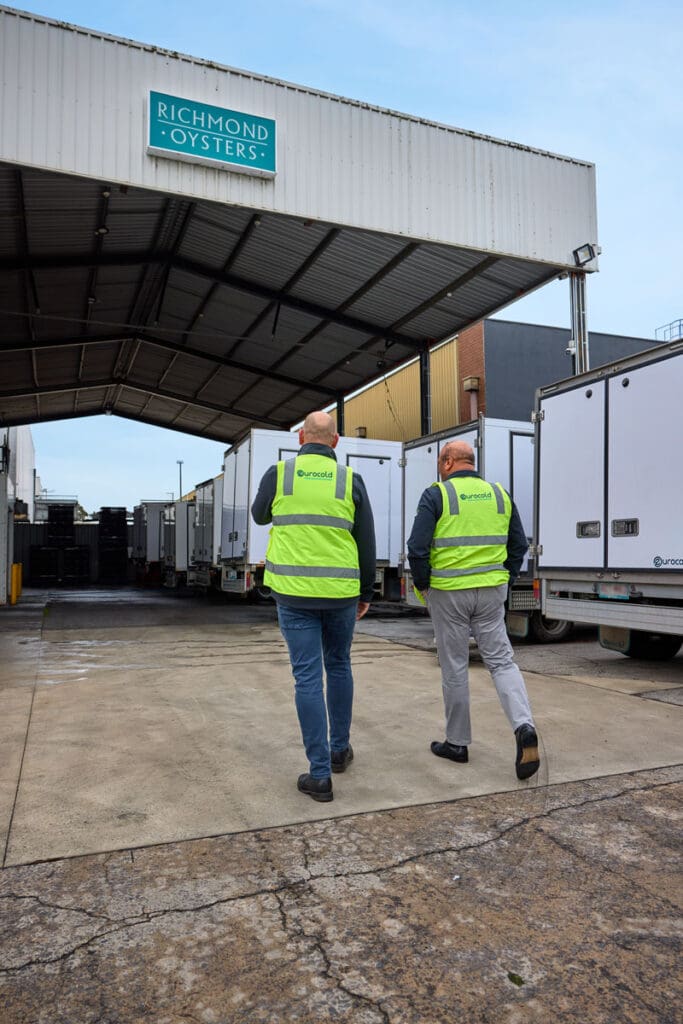
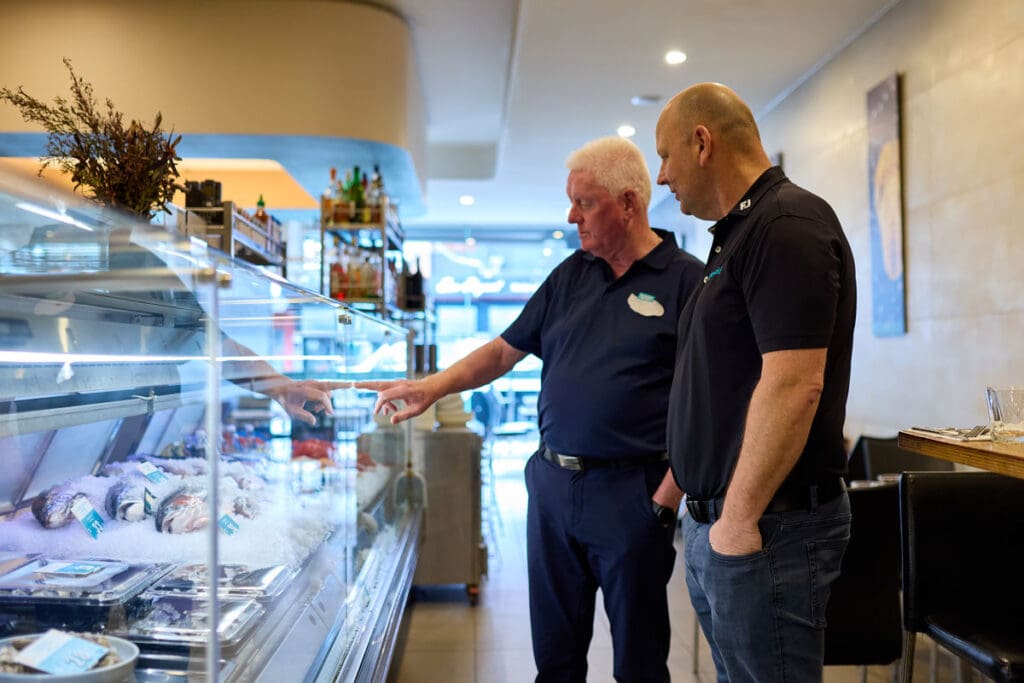
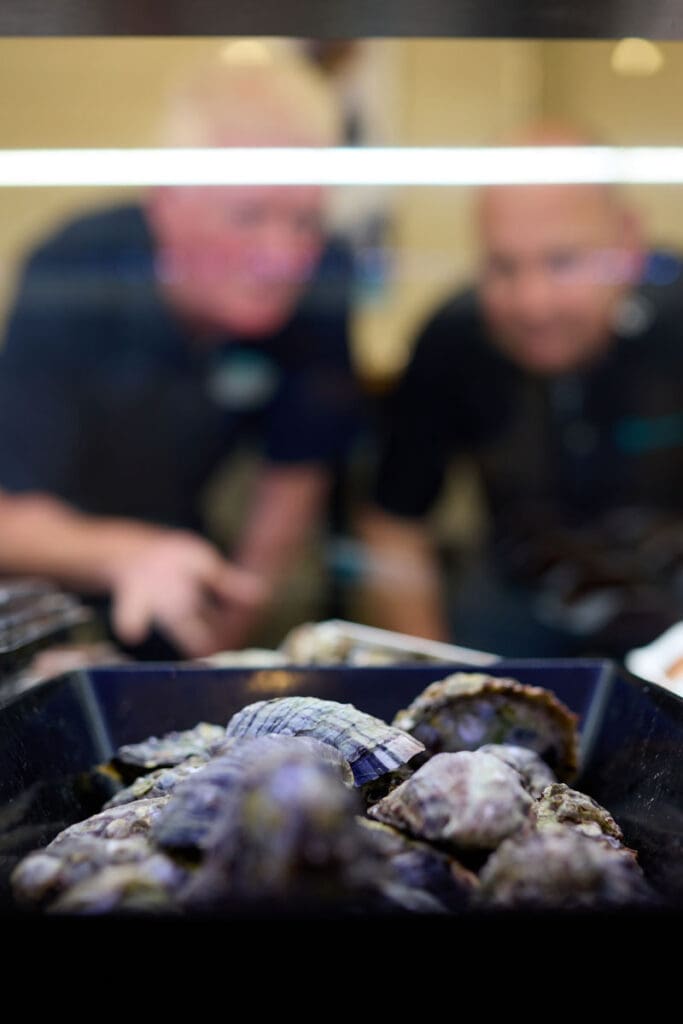
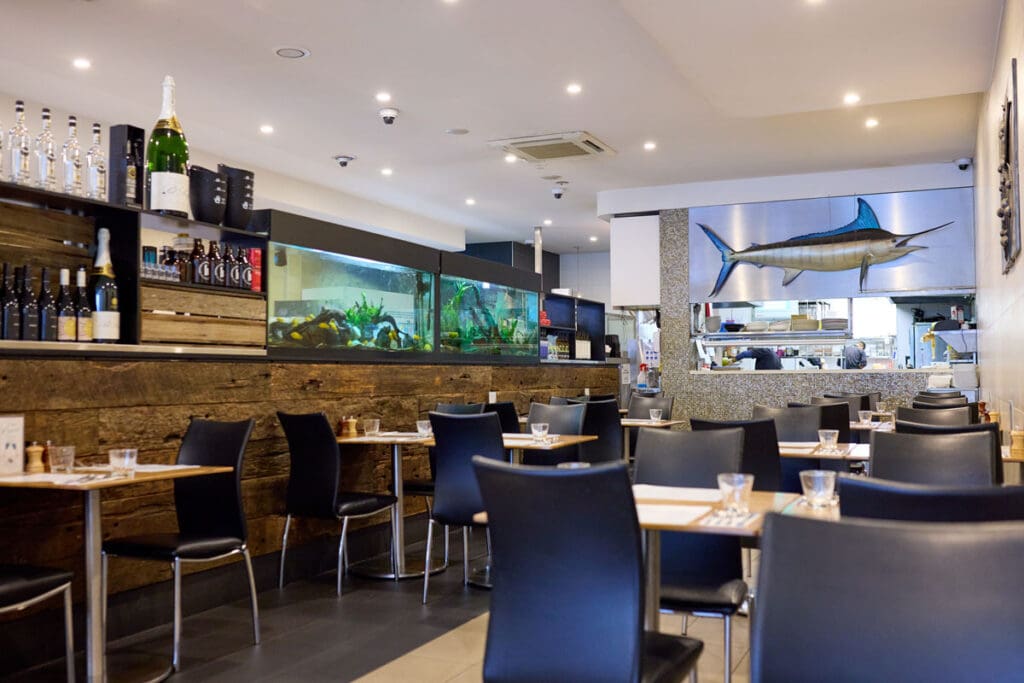
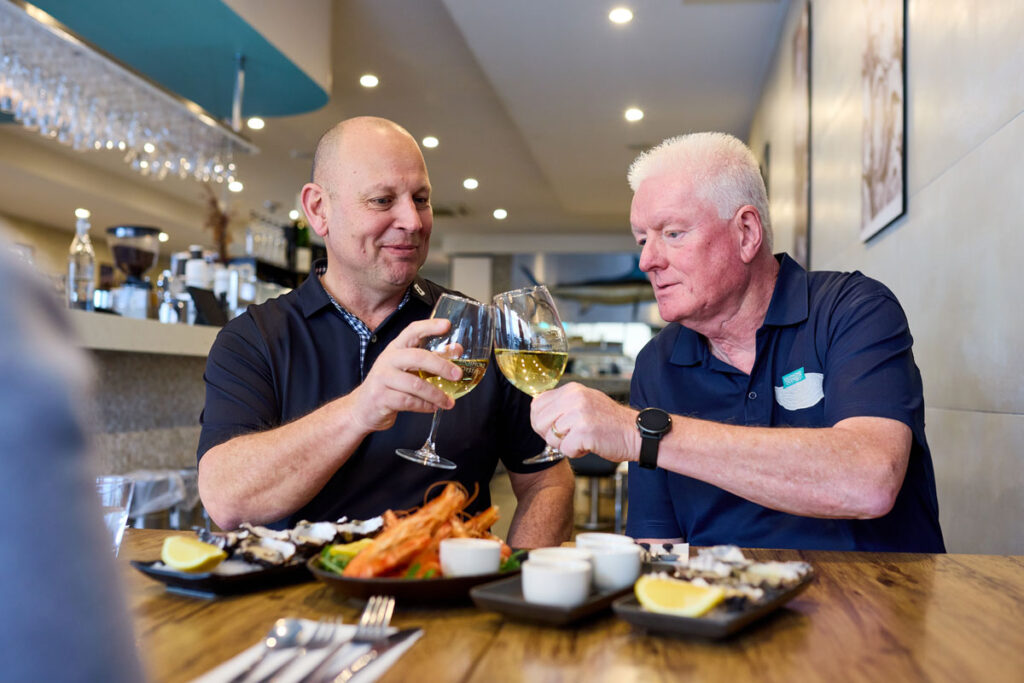
Today, Richmond Oysters operates across wholesale, retail and hospitality, giving the business a unique perspective across the foodservice market. The original Richmond location remains home to its seafood retail store and restaurant, while its Knoxfield wholesale operation supplies fresh seafood, meat, poultry, dairy, smallgoods, frozen and dry goods to hospitality customers.
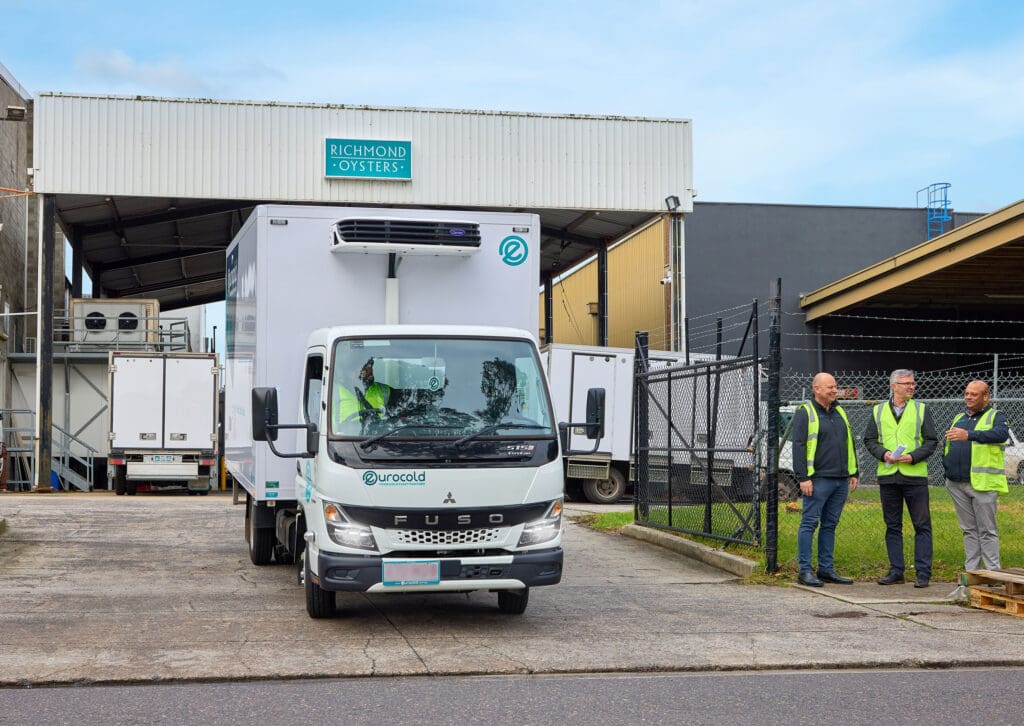
That wholesale business has grown to a fleet of 22 vehicles and is now expanding beyond Victoria.
Yet despite the scale and breadth of the business today, the philosophy behind it remains remarkably familiar.
“We’ve grown considerably, but we’ve never wanted to lose that family-business feel,” Jim says. “Our customers can still pick up the phone and speak directly to the owner.”
Challenges
A fleet that needed to keep pace
Growth brings complexity.
As Richmond Oysters’ product range, customer base and delivery footprint expanded, so did the demands placed on its fleet.
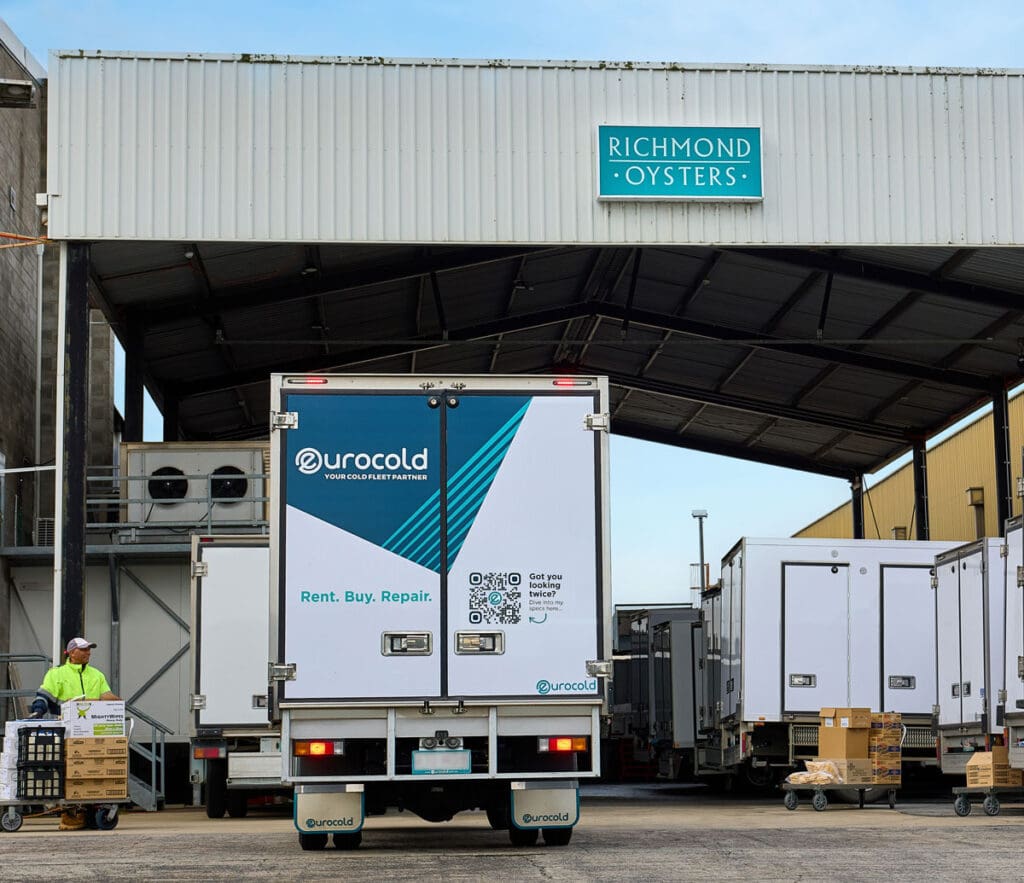
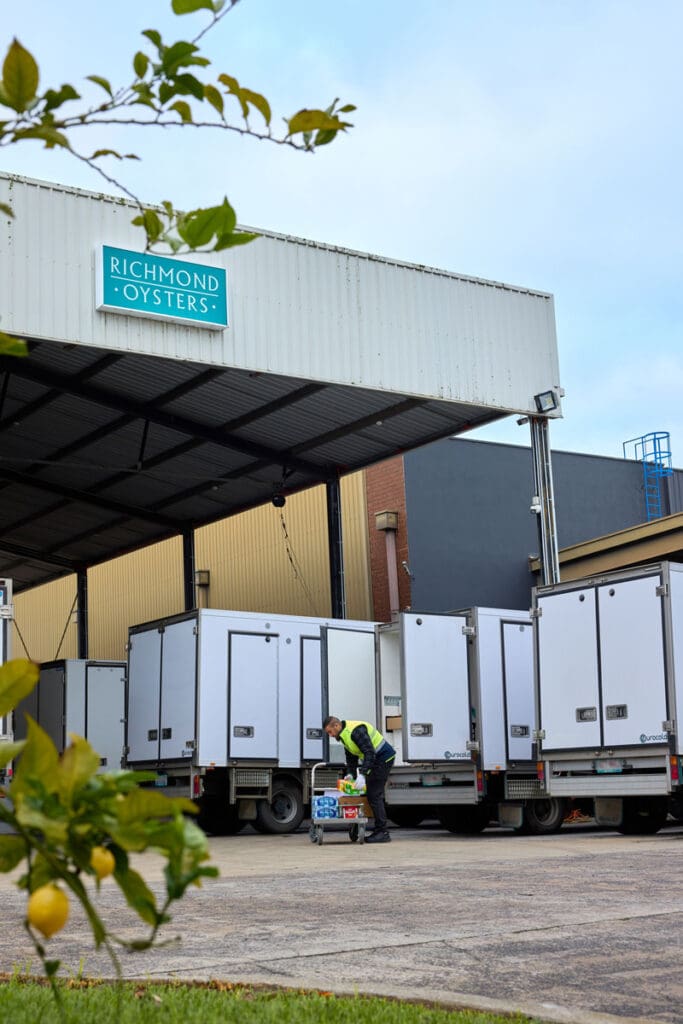
The business needs different vehicles for different jobs. Smaller vehicles for tight inner-city routes. Larger trucks for higher-volume runs. Multiple side doors for drivers making hand deliveries. Tail lifts for palletised loads.
And every vehicle needs to support one non-negotiable requirement: maintaining the quality of the product between Richmond Oysters and its customer.
Managing that increasingly complex fleet internally was becoming difficult.
“It was becoming a full-time job just to manage these 22 trucks on the road,” Jim says.
Richmond Oysters needed more than vehicles.
It needed a partner that understood food distribution, could accommodate non-standard builds and, importantly, was prepared to adapt as the business changed.


Cold Fleet Solutions
Starting with what the customer actually needs
Richmond Oysters spoke with a number of fleet providers before choosing Eurocold.
The difference wasn’t simply the trucks.
It was the willingness to listen.
“Some companies like to dictate terms. ‘This is what we do,'” Jim says.
Eurocold took a different approach, working through Richmond Oysters’ existing vehicle specifications and adapting them to suit the operation.
Checker plate flooring, shelving heights, side-access doors, rear barn doors and different tail-lift configurations all became part of the conversation.
“Eurocold really try to work toward what the customer wants,” Jim says.
“They are quite happy to say to us, ‘We don’t think that’s going to work. Here’s an idea on how we might solve it.'”
For Eurocold Head of Growth & Revenue Robert Smith, that’s an important distinction.
“You start to see what a business needs rather than what we want to give them,” he says.
“That really becomes the partnership side.”
Complex builds for a complex operation
Richmond Oysters’ vehicles are far from off-the-shelf.
For many delivery routes, drivers need fast access to individual orders without climbing in and out of the rear of the truck throughout the day. Multiple side doors help make that possible.
Other runs require larger vehicles and tail lifts capable of handling pallets.
The ability to build and modify refrigerated bodies locally has allowed Eurocold to respond to those requirements.
After visiting Eurocold’s Berrinba production facility, Jim says the scale of the operation surprised him.
“I had no idea how much work they actually did there,” he says.
“They can really get stuck in and make sure that it’s exactly what you need.”
That capability becomes particularly valuable when the requirements change.
As Richmond Oysters discovered after putting one of its Queensland vehicles into operation, sometimes the only way to understand what a route really needs is to run it.
When the team realised a fold-under tail lift wasn’t suitable for unloading pallets with a pallet jack, Eurocold worked with Richmond Oysters to change the configuration.
“These are the sort of things you don’t realise until you get to that point,” Jim says.
“That flexibility is really important for us.”
A partnership that moves
Growing beyond Victoria
That ability to adapt has taken on a new significance as Richmond Oysters expands.
The company has established a Queensland operation, initially putting two vehicles on the road and adjusting the fleet as customer demand becomes clearer.
For Robert, it demonstrates why fleet flexibility matters during expansion.
“When you expand into a new state or a new opportunity, you start with a smaller truck, and then you find you need a bigger truck, and suddenly you need two smaller ones,” he says.
Had Richmond Oysters purchased a vehicle at the outset, the business could quickly have found itself committed to an asset that no longer suited the operation.
Instead, Eurocold can help adjust the fleet as Richmond Oysters learns what the market requires.
“We’ve been able to offer them options to respond to the market and their learnings,” Robert says.
That same model could support Richmond Oysters as it looks further afield, with Western Australia and South Australia among the markets being considered.
“Luckily for us, Eurocold are nationwide, so we can keep it under the one umbrella,” Jim says.
A shared understanding of food distribution
There is another reason the partnership has worked.
Eurocold Managing Director Avraam Solomon’s own background in wholesale food distribution gave him an immediate understanding of the operational pressures Richmond Oysters faces.
“Avraam’s family was in that wholesale business,” Jim says.
“He knew exactly what we were talking about, and that made it quite simple.”
For Robert, that shared understanding extends to the similarities between two businesses built around long-term relationships.
“When you see a long-term family-owned business like Richmond Oysters, it takes time to build trust,” he says.
“Our job is to take care of that extension of their business and their brand.”
More room to invest in growth
Moving towards a managed rental fleet has also helped Richmond Oysters reconsider where its capital is best deployed.
Rather than funding the upfront replacement of a large refrigerated fleet, the business has a more predictable monthly fleet cost.
“We can put that capital into other things: technology, staff, our infrastructure,” Jim says.
Richmond Oysters has already invested in additional cold-room capacity and its Queensland operation. Future interstate expansion will require further warehouses, infrastructure and people.
Fleet can grow alongside those investments rather than compete with them.
Looking forward
Growing without losing what matters
More than 65 years after Richmond Oysters first opened its doors, the fundamentals haven’t changed.
Quality remains at the centre of the business.
“Make sure that the quality and the product is still spot on, second to none,” Jim says.
“If we keep doing that and keep looking after our people and keep having relationships like we do, things will just progress nicely.”
For Eurocold, the job is to make sure the fleet is ready to progress with it.
Whether that’s another vehicle in Queensland, a different configuration for a changing delivery route, an EV for inner-city deliveries in the future, or supporting Richmond Oysters’ move into another state, the partnership is built around being ready for what comes next.
“You start to see what a business needs rather than what we want to give them. That’s where it really becomes a partnership.” shares Robert.
I knew I wouldn’t have to lose any sleep over these trucks. We need them on the road all the time, and if there’s an issue, I know Eurocold will sort it.
Jim Hall, Operations Manager Richmond Oysters